Small rooms are where design earns its keep. Anyone can make a large room comfortable; it takes judgement to make forty square metres feel like a whole home. The instinct is to scale everything down — small sofa, small art, small rug — and that is precisely what makes a compact room feel smaller.
What actually works is confidence: fewer pieces, larger gestures, and a plan that treats every centimetre as a decision rather than an accident.
Start with the plan, not the furniture
Before buying anything, draw the room to scale and mark the doors, windows, radiators and power points. Then decide the one thing the room must do well. A studio might need a proper desk more than a second sofa. A narrow living room might need a round table rather than a rectangle.
Circulation is the invisible luxury. If you can walk through a room without turning sideways, it will feel bigger than it measures. Leave at least seventy centimetres between furniture and walls wherever people move.
The five moves that work
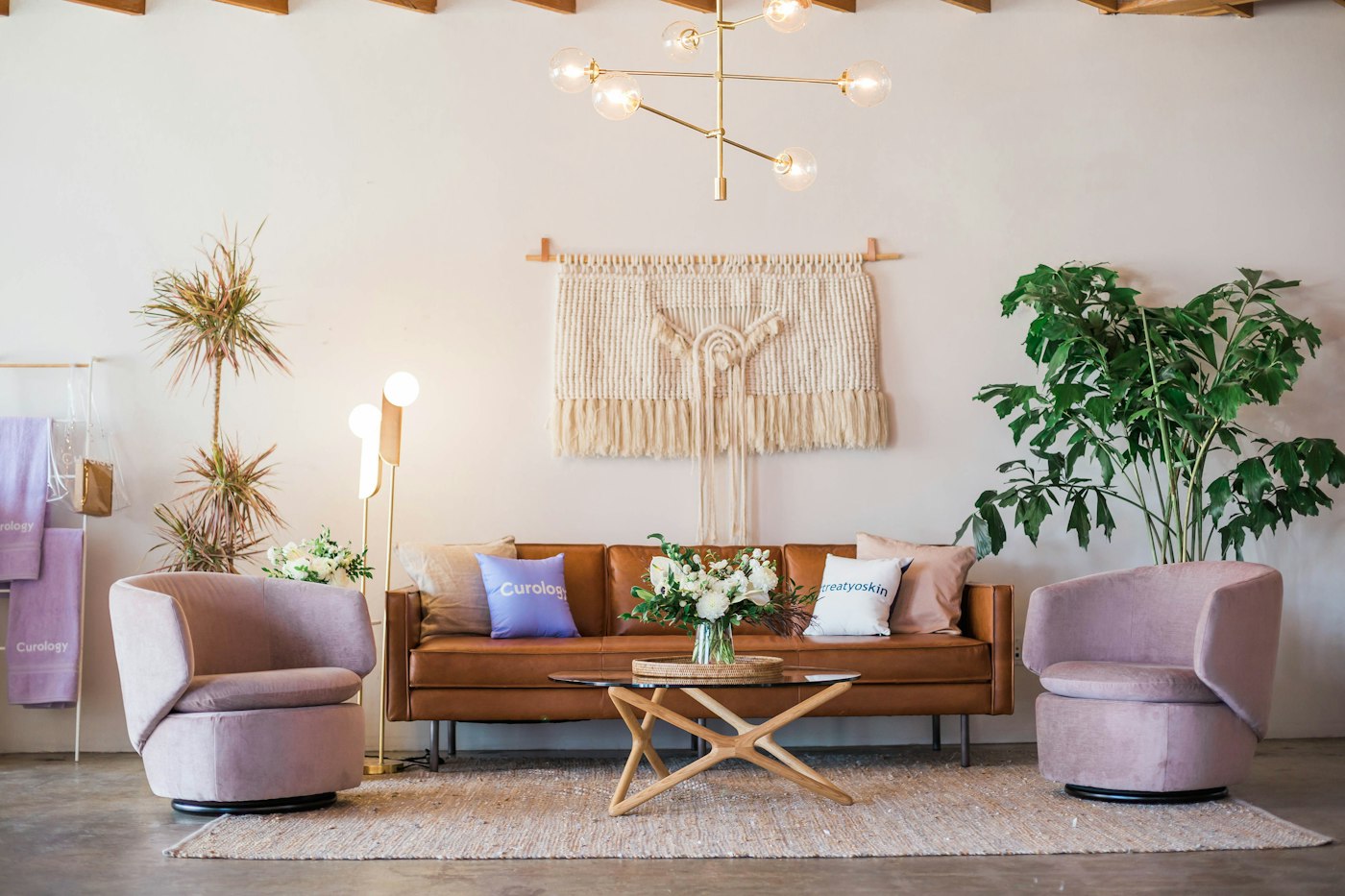
- Go large on the rug. A rug that runs under the front feet of every seat unifies the room; a postage-stamp rug divides it.
- Use vertical space. Full-height curtains and tall shelving draw the eye up and make ceilings feel higher.
- Choose dual-purpose pieces. A bench with storage, a table that extends, a sofa bed that is genuinely comfortable.
- Keep the palette close. Fewer tonal shifts mean fewer visual stops, and fewer stops feel larger.
- Light the corners. A lamp in each corner pushes the walls outward at night; one central light pulls them in.
What to leave out
Small rooms fail through accumulation. Every object that does not earn its place steals space from the ones that do. Be ruthless with furniture that is “useful sometimes”, with art that is too small for its wall, and with storage that is full of things you have not used in a year.
Mirrors help, but not in the way people expect. A mirror opposite a window doubles the light; a mirror facing a blank wall only doubles the blankness. Position matters more than quantity.
Think like a boat, not a warehouse
The compact-living movement has spent decades solving these problems, and much of it is about built-in efficiency rather than aesthetics. The small house movement is a good primer on storage walls, flexible rooms and the discipline of owning less.
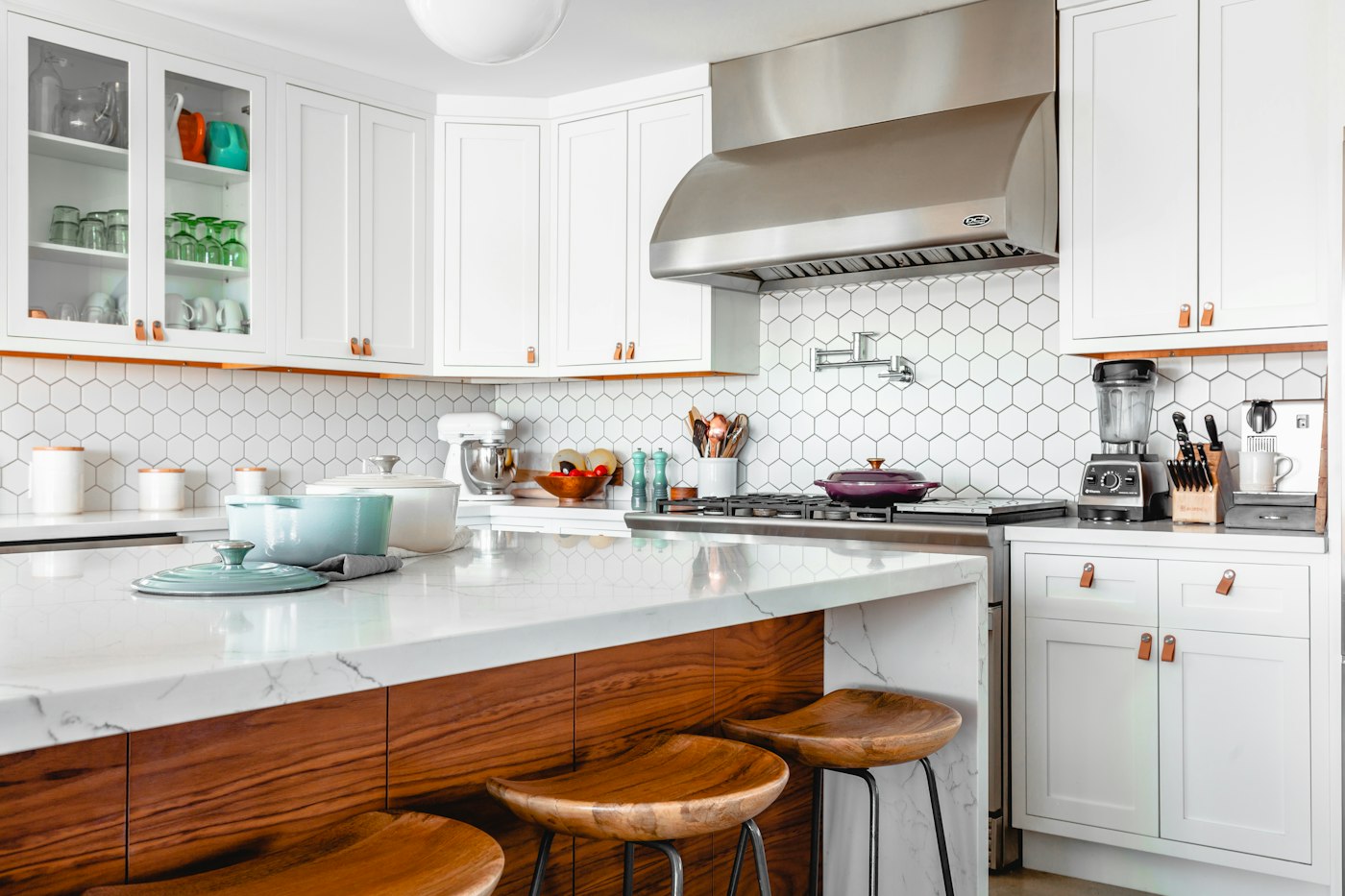
Kitchens deserve particular attention because they are the most equipment-heavy room in any home. Our essay on the art of the statement kitchen looks at how to make a compact kitchen feel generous without sacrificing worktop space.
Finally, accept that a small room will always be a negotiation. The goal is not to pretend it is large. The goal is to make it feel complete — every surface considered, every object chosen, nothing left over. Done well, a small room can be the most restful room in the house.